Mamma Mia Ciasa Mia! Could this be the best pasta in Paris?

20 May

I know I know, it’s a big call, but trust me — I take these statements very seriously. After my first meal at Ciasa Mia, I got home, and in an unprecedented event, I could not sleep. And not because I ate too much either. I simply could not stop thinking about the incredible meal I had just experienced, and found myself lying awake dreaming about that amazing PASTA like some intoxicating whirlwind holiday romance.

ciasa mia best pasta in paris

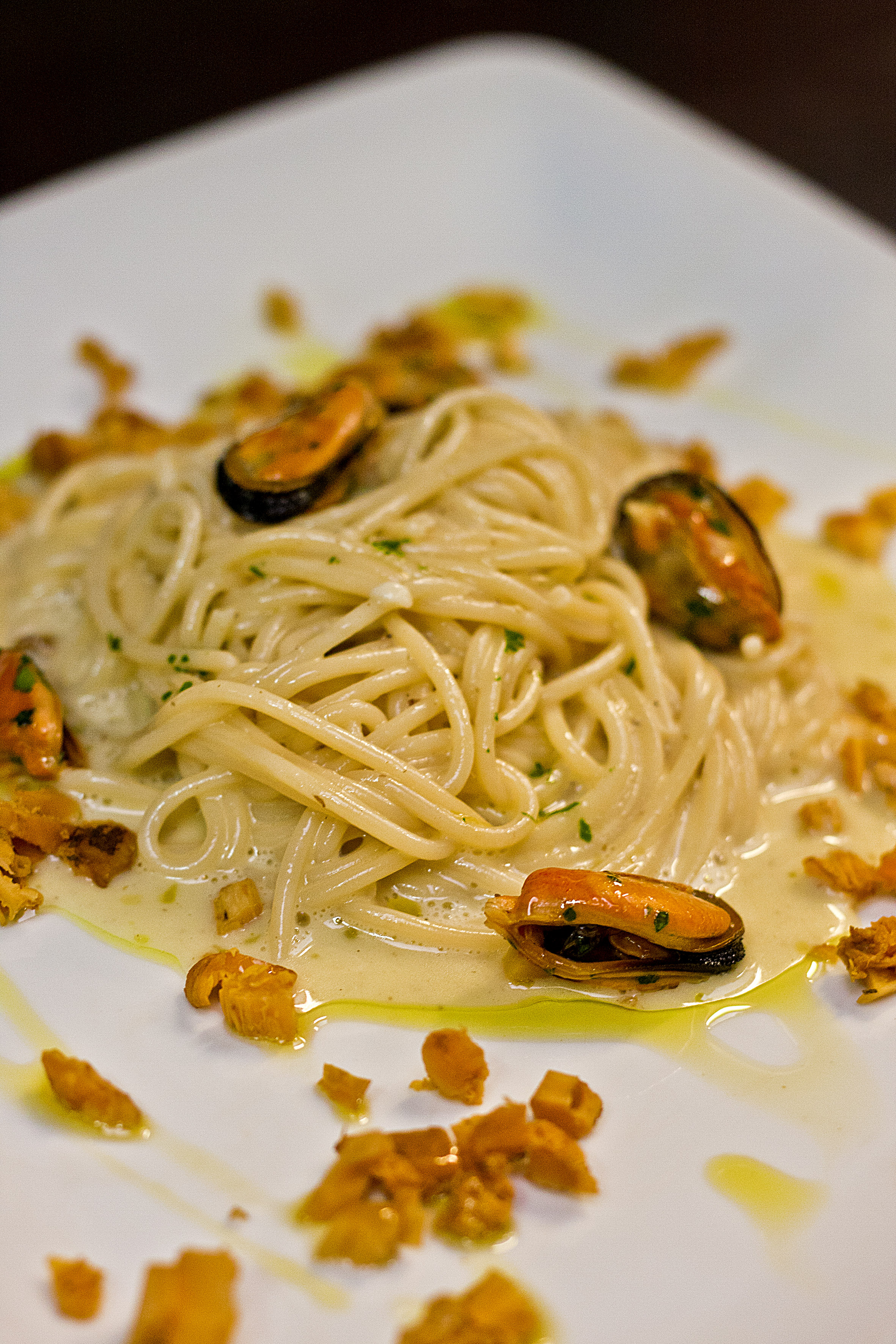
The stuff dreams are made of. Ciasa Mia’s Kamut Spaghetti with Mussels, Girolles and Smoked White Pepper with Pecorino.

Ciasa Mia potato and rosemary ravioli with speck

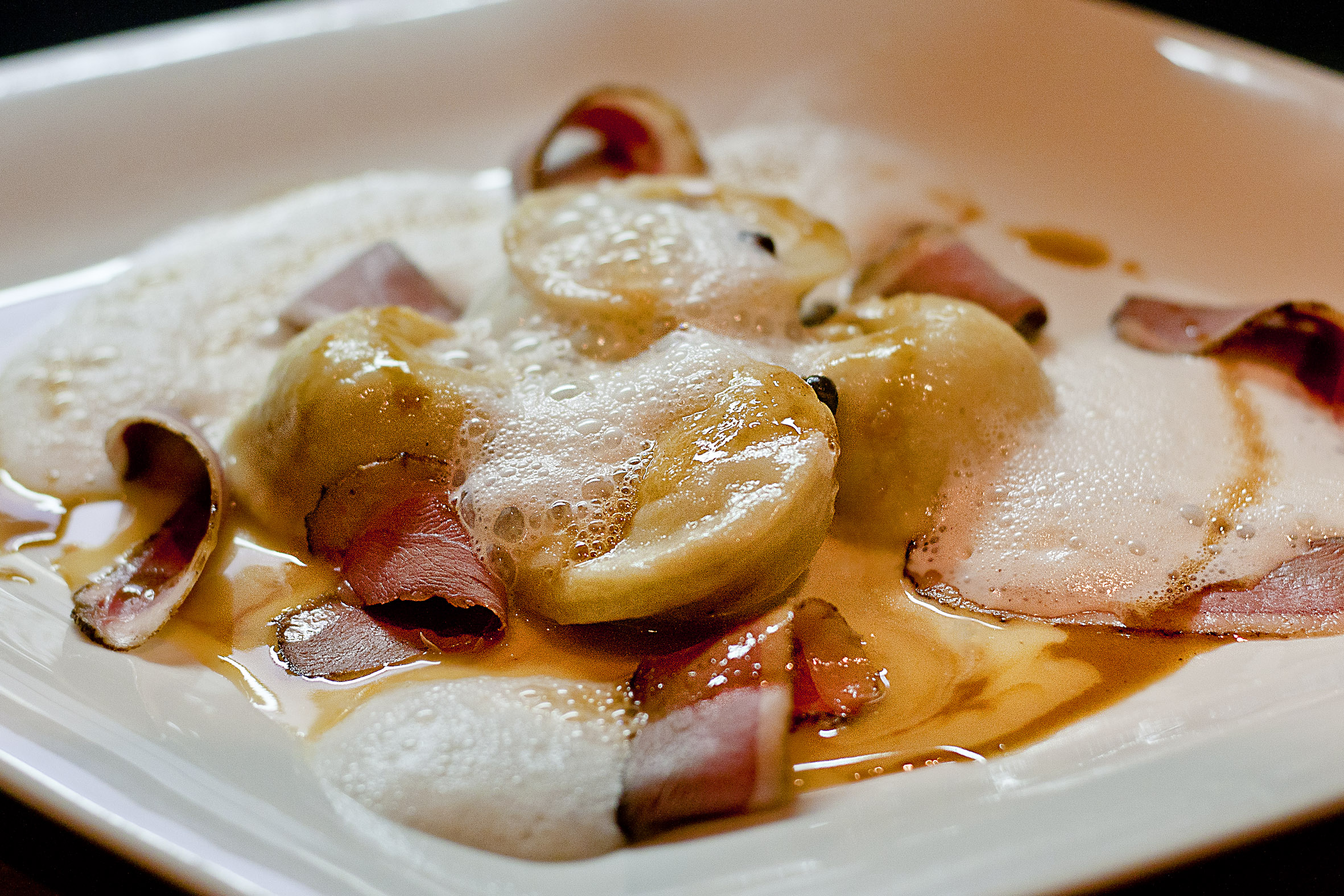
Potato, speck and rosemary ravioli filled with cèpes and mageret de canard fumé

The discovery wasn’t all mine, so I do admit I was tipped off. When you hear your Italian friend’s voice rise two decibels excitedly describing food with dangerous hand motions and enough passion to scare the French diners at the table next to us, I knew I had to check this place out. And yes I’ve been back multiple times since, just to make sure I wasn’t kidding myself the first time, but the food at this place never ceases to amaze and delight me.

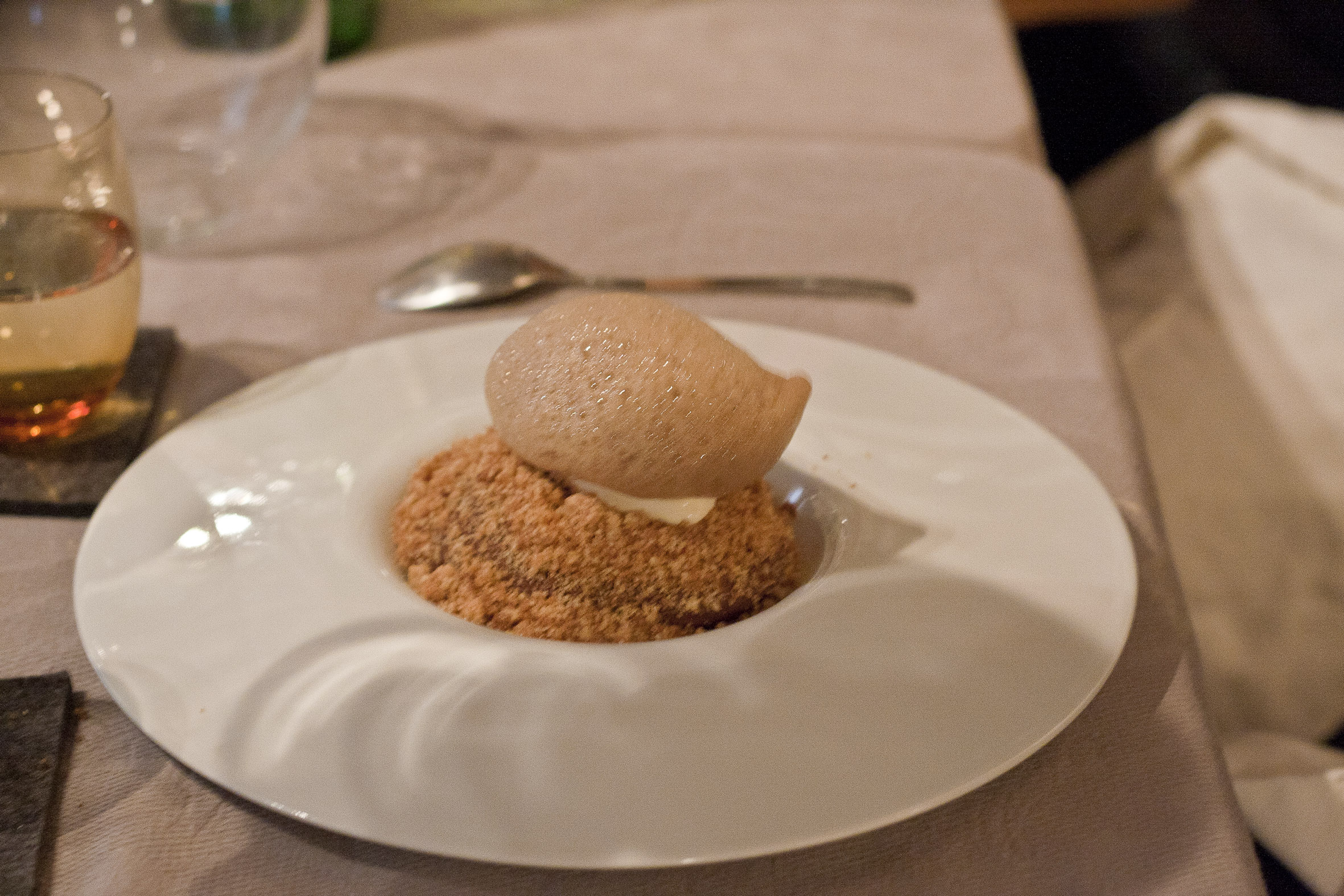
For someone with a terrible memory, I can still remember and describe in intricate detail, every course I have eaten there: Truffle-filled egg yolk amuse bouche, pine infused ice cream, cèpe and white truffle carpaccio with parmesan soufflé, scallops in hay-steamed smoke, pastas that are delicious enough to overcome the strongest of carb-nazi willpower, deconstructed tiramisu, melt in your mouth house-made focaccia, and not to forget the famous “colours d’automne”- a dessert experience you absolutely must save space for. The flavours, the products, the seasons, the passion for quality, innovation and creativity with respect for tradition and romance, the flamboyant service with flair and precision… the passion the food is made with here paired with the warm friendly ambience of a family–run Italian alps ski chalet is so cosy you could just crawl up by the fire with your limoncello, satisfied belly and just dream away.

Who would have thought this little gem on a tiny street just next to the pantheon was hiding there? If you didn’t know to look past the cutesy quasi-kitsch restaurant signage and lace curtains on the facade, you could easily miss it. And if you can’t get there in person, don’t worry. In my usual form, I shamelessly went back and asked the chef for the recipe so we can all enjoy the pleasure of THAT PASTA (scroll down for recipe).

Where was the best pasta you have ever eaten? My runners-up for Paris are Procopio Angelo and Bocca. Drop a comment below to share your favorite addresses in Paris and beyond.

Ciasa Mia Restaurant is located near the Pantheon in Paris’ Latin Quarter at
19 Rue Laplace 75005
Ph: +33(0)1 43 29 19 77
www.ciasamia.com

See a video review by Francois Simon here

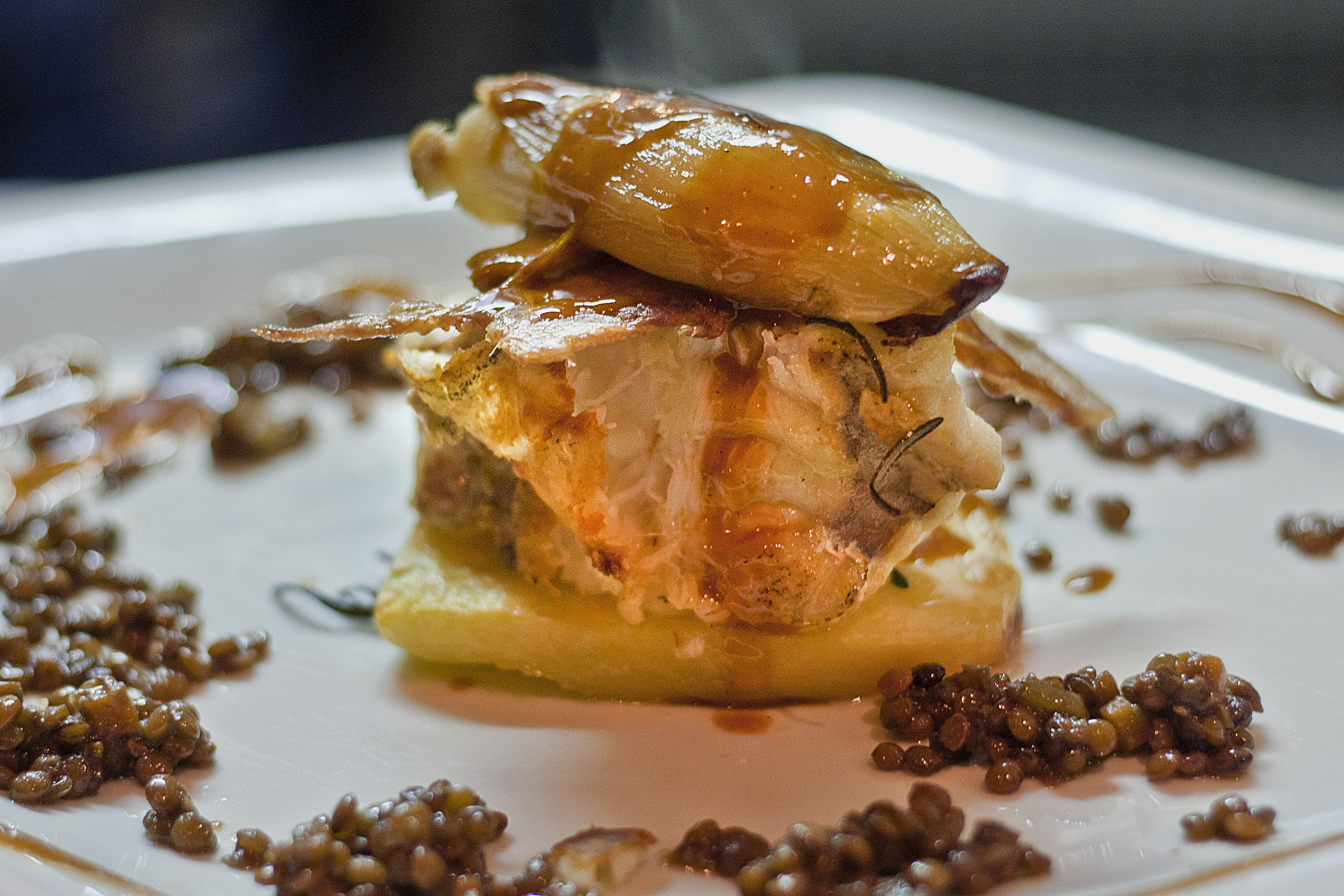
La lotte en croute Ciasa Mia Paris

La lotte en croute de peau de poulet (monkfish in chicken skin crust) with balsamic lentils, rosemary potato and vanilla eschalotte

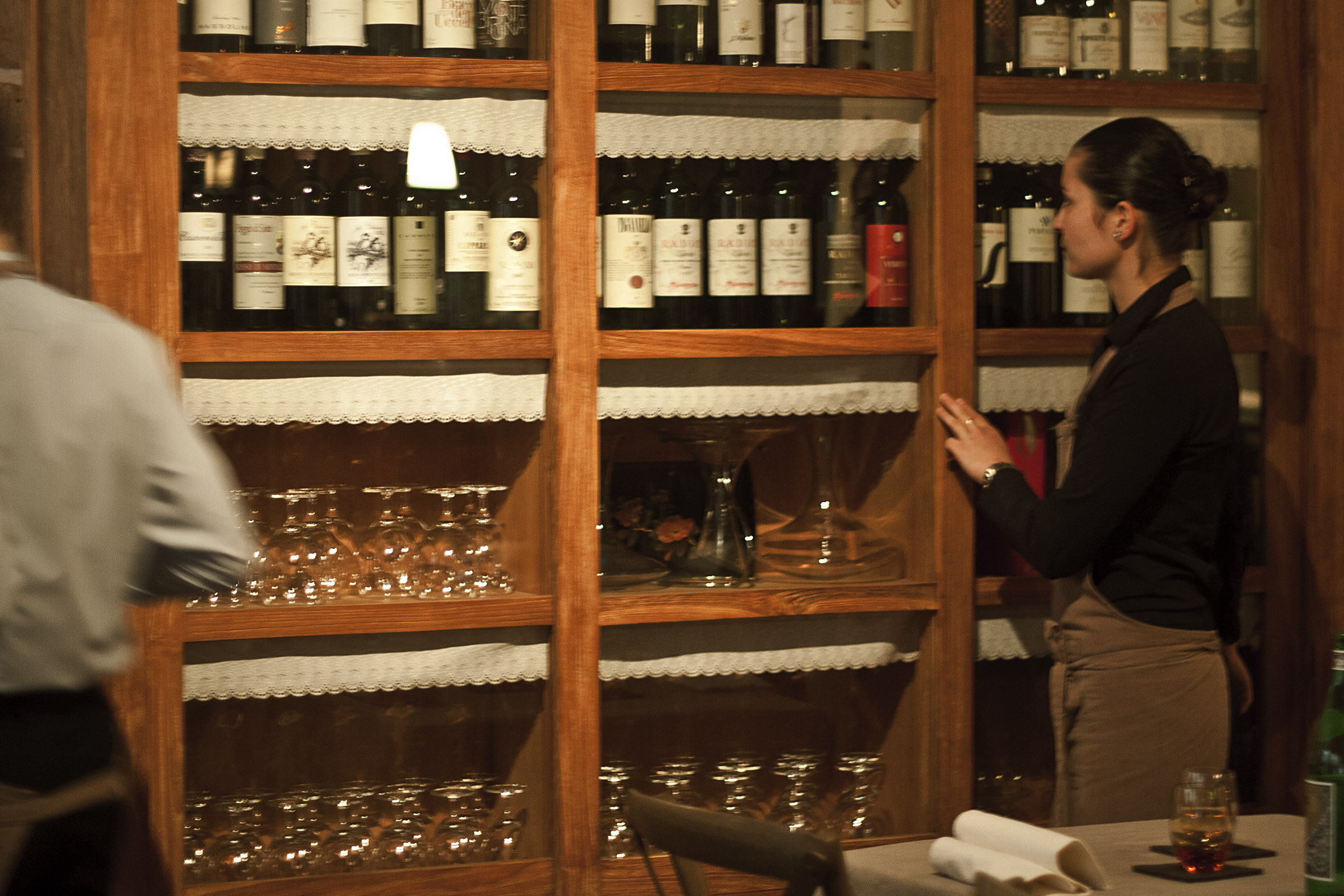
ciasa mia italian wines

Wine selection at Ciasa Mia

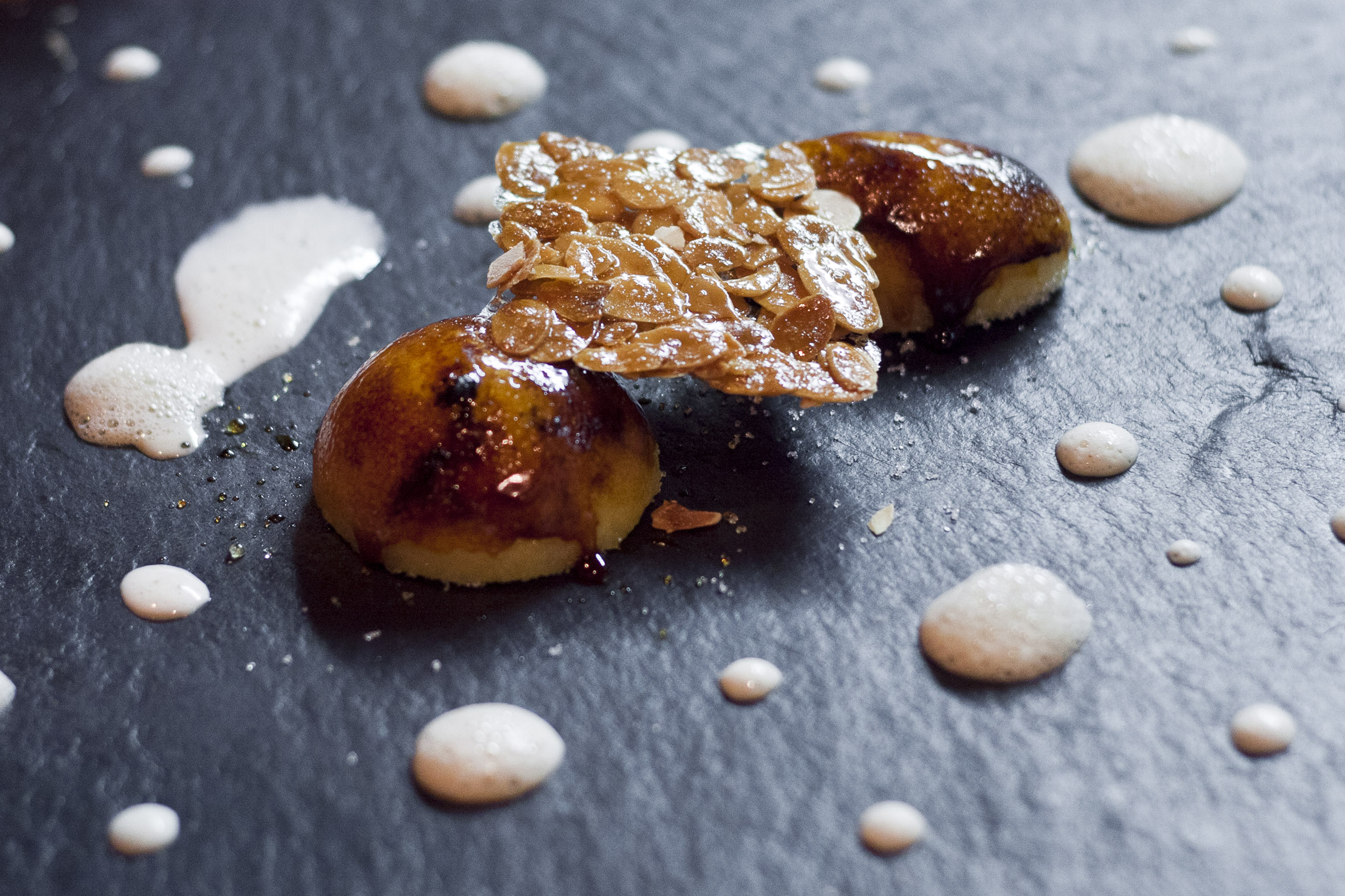
Lemon brulee with almond praline

Lemon brûlée with almond praline- amazing!

ciasa mia paris truffle injected egg

Six minute scallops- steamed in hay smoke with sea salt. Black truffle jus-injected egg yolk. explosions of flavor- literally.

Deconstructed Tiramisu Ciasa Mia Paris

The delightful deconstructed tiramisu

Pine infused Icecream ciasa mia paris

Pine infused ice cream – unforgettable.

Chef Samuel Mocci with Italian white truffles

Chef Samuel Mocci with Italian white truffles


Organic kamut spaghetti with mussels, girolles, pecorino, and smoked white pepper

Recipe by Samuel Mocci from Ciasa Mia Restaurant, Paris

Serves 4 people

This recipe cooks the pasta using the absorption method, like you would a risotto. It soaks up all the flavor from the stock and self-sauces once you add the cheese and remaining ingredients.

Ingredients:

300 grams kamut spaghetti (or substitute with a similar fresh pasta of your choice)
1 litre of unsalted chicken stock
30 grams sea salt
2 tbsp olive oil
1 knob butter
50g pecorino finely grated
50g parmesan finely grated
Freshly ground smoked white pepper (if you can’t find smoked pepper you can use smoked sea salt to add the smoky flavour)
200 g mussels (weight without shells)
200 g girolle mushrooms (you could substitute for cepes or chanterelles also)
2 cloves garlic- finely diced
2 tbsp finely diced flat leaf parsley

Recipe Ciasa Mia Pasta

Preparing the Ciasa Mia Kamut Spaghetti Recipe

Directions:

Bring the chicken stock to boil in a large pot with olive oil, butter and sea salt.

To cook the mussels: In a separate pot, place mussels in their shells with white wine, olive oil and finely diced garlic and parsley. Once the mussels open, remove the mussels from their shells (leave a few in the shell for presentation purposes). Leave in pot and set aside. Thoroughly rinse and then pat dry the girolles with paper towel. Dice the mushrooms finely and set aside.

Once the water is boiling add the spaghetti to the pot and gently stir the pasta and water until all the water has been absorbed by the pasta, being careful not to let the pasta stick together or to the pot. Check that the pasta is cooked just to al dente. If it is still too firm, add more stock and cook further until it’s absorbed (as you would a risotto)

Once the spaghetti is cooked, remove from the flame and add the parmesan, pecorino and a generous portion of freshly ground pepper. Mix through well- you will see that the remaining moisture in the pasta mixes with the cheeses to ‘self-sauce’

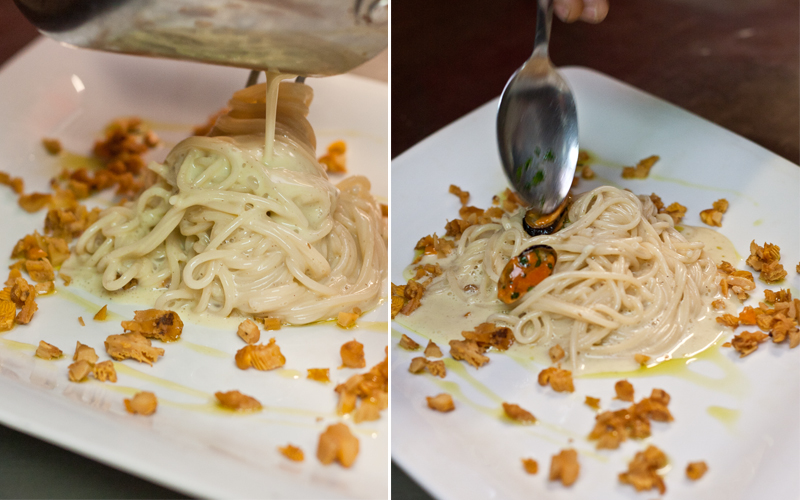
Sprinkle the diced girolle mushrooms on the base of the serving plate and then season with quality virgin olive oil. Serve the pasta into portions over the mushrooms and then add the mussels, with a few still in the shell over the pasta. Serve with extra grated pecorino and diced parsley to garnish if desired.

Tags: , , , , ,

My top 10: The best addresses for cheese shopping and finding a good coffee in Paris

30 Apr

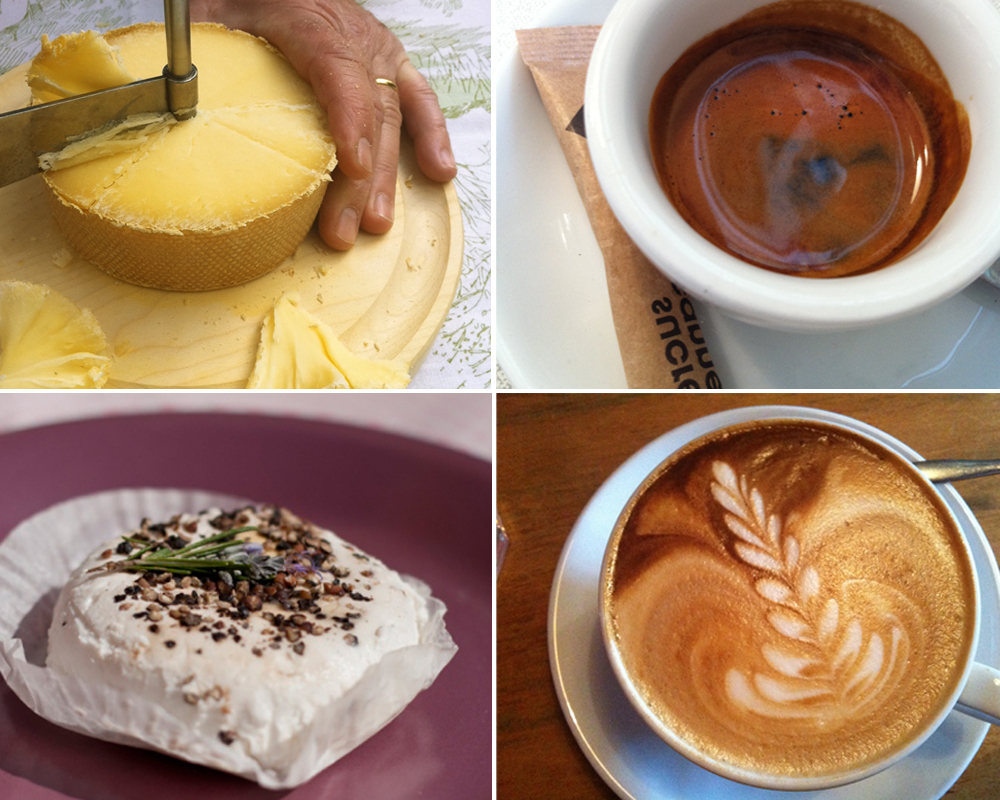
It’s about time I shared the love. Two of my great loves are of course: coffee… and the other you already know — cheese. Not necessarily together or in that order! I’m often asked for tips and addresses on both of these subjects so I have compiled my top 10 and made interactive maps for both the lists. After all, what trip to Paris is complete without eating too much cheese? Then after all the fun of running around buying and tasting it, you will be needing a good coffee to pick you back up again if you want to make it on your last legs to that pastry shop…

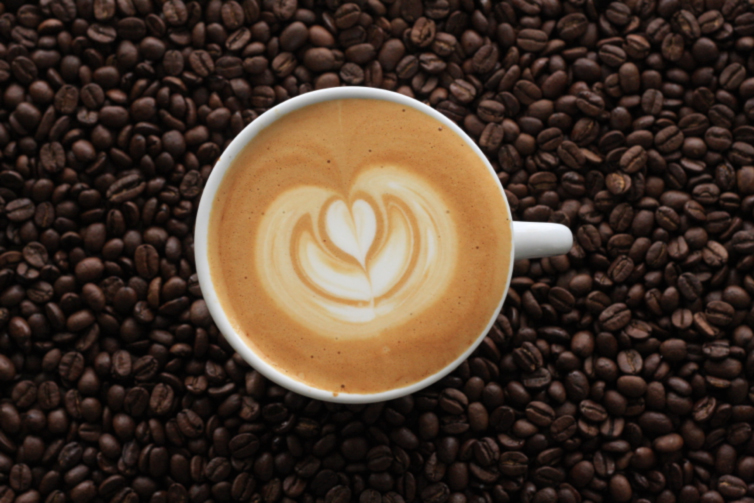
Coffee and latte in Paris

COFFEE:

Let’s start with coffee, since it’s rather problematic in this city. A good friend of mine recently moved for a six-week stay in Paris and called me in a panic: “All the coffee is so aaaaawful here… what am I going to dooooo?? Why can’t I just go into a café and drink a decent latte?”

And she’s absolutely right. Unlike cheese, the good stuff is simply not common and easily available in this city, in fact, getting a real coffee is more like a treasure hunt — you almost need to plan your day/meeting around it to make sure you get your fix in one of the very few places that know how to make it. There has been a lot of press on the issue recently, and the scene is quickly changing for the better thanks to French-Australian partnerships who are raising the bar, such as Café Lomi who supply most of the places on my list.

So here is the list I gave my latte-longing friend. There is hope, I promise.

Where to get a good Latte / drink real coffee in Paris:

The Café Lomi cafeteria is opening soon near Marcadet – Poissonniers‎
Café A – Paris 10eme
Le Bal Café – Paris 18eme Clichy
KB Café Shop (formerly Kooka Boora) – Paris 9eme
Coutume Café – Paris 7eme
Sugarplum Cakeshop and Café – Paris 5eme
L’inconnu Bar/Café – Paris 10eme
Merce and the Muse – Paris 3eme
Télescope (great coffee in a central part of town) – Paris 1eme
Vélo Café (mobile coffee cart at Place de la Bourse) – Paris 2eme
Alto Café (mobile coffee cart at Galeries Lafayette and Passage du Havre) – Paris 9eme.

cafe lomi latte

L’art du Cafe at Lomi, Paris. Image © Rachel Bajada


View Larger Map

CHEESE:

First things first, I need to lay down the rules of engagement here: no cheating and buying cheese at the supermarket! Sure, you may be able to find a decent fresh chèvre or biodynamic faisselle in the dairy isle, maybe even the occasional genuine AOC Camembert, but the vast majority of cheeses sold in big chains like Monoprix, Carrefour and Franprix are industrially processed, inferior, pasteurized milk cheeses which are actually slowly killing the real artisanal cheese industry in this country. Sadly, a growing number of French cheeses become extinct every year due to the industrialisation of the French dairy industry so please be a conscious cheese shopper and support artisanal cheese makers and small businesses by favouring quality over convenience and bargain basement price tags.

There is only one time and one reason only when you have an excuse to buy in the supermarket, and that’s if it’s your last stop in Paris and you’re buying cheese to take on the flight home. This leads me to my next important piece of advice and a common question:

Can I take raw milk French cheese back through Australian customs?

The answer is YES, you sure can! There is just one catch. Firstly, you must of course declare it on your arrival card, but as long as the cheese you bring in is “commercially prepared and packaged and originate from countries free from foot and mouth disease” you are allowed to bring it in. And don’t worry, as long as you wrap it in lots of layers of plastic and foil to avoid your entire luggage smelling of cheese, it will certainly last and wont spoil during the long journey home.

Because of this, you can’t just go to the farmers markets and buy a fresh unpackaged cheese to take overseas; so this is when the supermarket may be your only option. I have done this numerous times without problems but usually I stop at Galleries Lafayette Gourmand or la Grande Epicerie where they stock a good range of quality raw milk cheeses with sufficient labelling and packaging to keep you off Border Control at prime time. If you do however find yourself in a sticky situation with customs, here is how to successfully talk your way out of it.

The full details on Australian quarantine regulations can be found at the daff.gov.au site here. I regret that I don’t know enough about current regulations in the US, UK and Canada etc. to provide them but if you know please drop a comment below.

My favourite places to buy and taste cheese in Paris:

Fromagerie SecrétanParis 19eme (owners are extremely friendly and helpful and they stock a range of beautiful seasonal and special cheeses)

Galerie Fayette Gourmande – For the pre-flight stock-up to take home

Market bio 17eme and Marche bio Raspail. Excellent organic/biodynamic producers of goats cheeses and nearly every French cheese you could dream of. More expensive but worth it, make sure you get there before midday. The markets are my weekend sport.Hah.

La Ferme Saint Hubert FromagerieParis 9eme. You will smell it before you find it. This is a good thing. Very traditional with a great range.
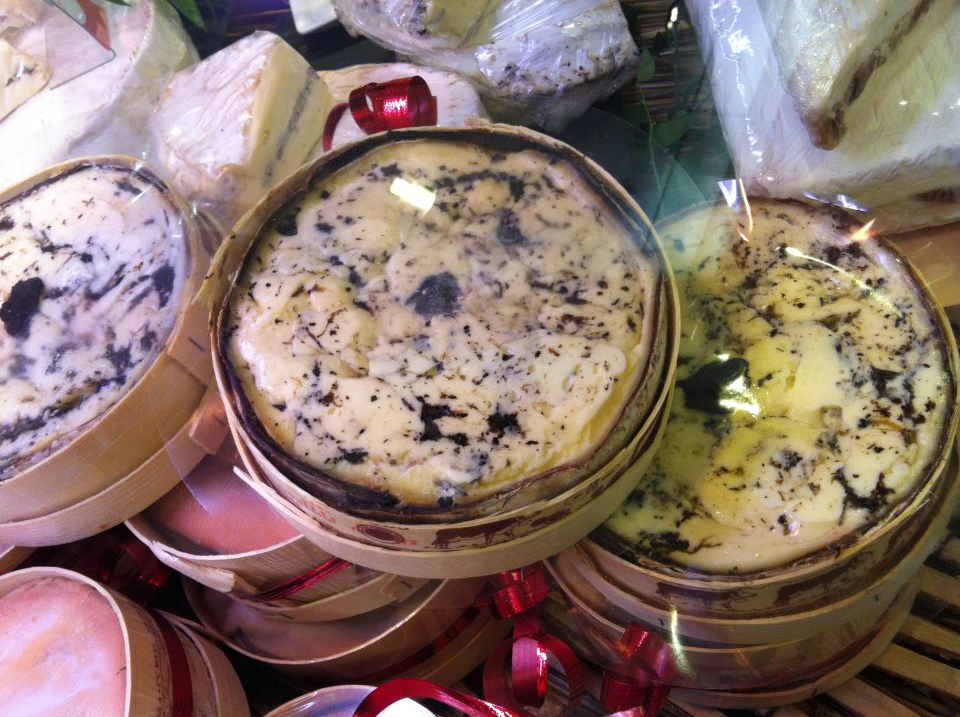
A memorable shopping experience.

Quatre Hommes CrèmerieParis 7eme. A top quality cheese shop which also produces and sells exciting new cheese varieties such as Pistachio Brie.

CantinParis 7eme. Run by cheese queen Marie-Anne Cantin fromager de tradition and Affineur with 7 impressive caves, the shop has been open since her father set it up in 1950.

Marche BastilleParis 11eme. Here you will find a few great stands with excellent cheeses. My favourite is the best Burrata I have found in Paris from the Spanish and Italian food stall. You can also find more exotic cheeses such as Guinness Cheddar and Goats Milk blue. Photos here

Alléosse - Paris 17eme. Stocks an impressive array of artisanal AOC cheeses such as camemberts, Saint Marcellins, a large choice of chèvres and the best part- a selection of rare, hard to find cheeses such as Persillé de Tignes made by the last remaining producers of their kind in the country.

Mmmozza – Italian Mozarella and cheeses – Paris 3eme. A great spot to buy giant buffalo burrata, fresh burrata from Puglia, smoked and classic Mozzarella and Treccia, other Italian cheeses and excellent Prosciutto and Parma hams, in the heart of the Marais and a stroll from Marche des Enfants Rouge.


View Larger Map

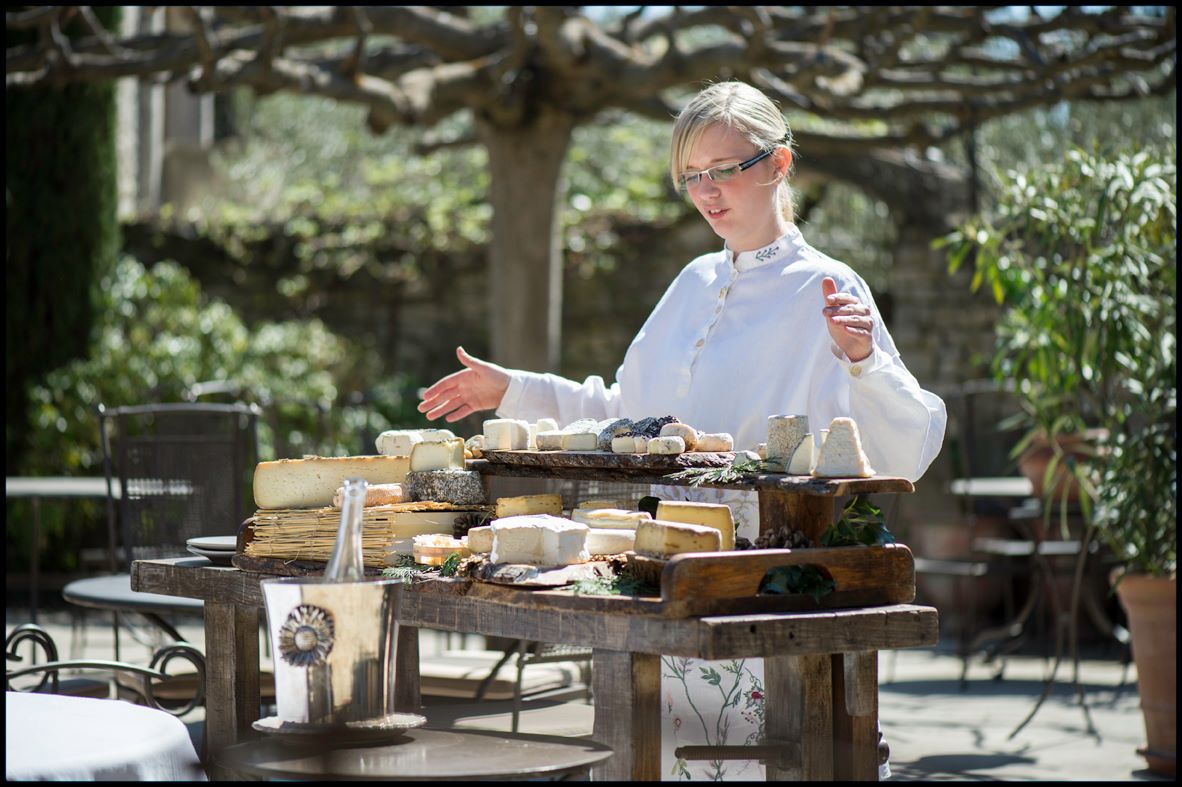
The ultimate cheese selection at Edouard Loubet, Bonnieux France. Photo courtesy of Arturo Zavala Haag www.arturozavala.com


Ready for the suitcase: Black Truffle Brie at Lafayette Gourmet, Paris

Tags: , , , , , , , , ,

The art of Easter. Chocolate egg design reaches new heights in Paris

8 Apr

Paris at Easter kind of reminds me of the characters in desperate housewives. Just as Gabrielle and Marcia would secretly aim to outdo each other with their good-willed neighbourly ‘bake-offs’, the designer chocolate boutiques in Paris launch full-scale campaigns to boast the most impressive designer Easter egg display in town. There is no mucking around in this city– ‘Haute chocolat’ at Easter in Paris is rather serious, not to mention – lucrative business.

This year’s designs are particularly extravagant and the window displays in every chocolate shop are filled with outrageously gigantic, painstakingly sculpted designer chocolate eggs and fantastical themed window displays as the stores are packed to the rafters with excited Parisian chocoholics purchasing designer eggs and gifts aimed to impress. So impressive in fact, I doubt many of these eggs ever actually get eaten. Here’s a selection of some of my favourite designs from this year, and some scenes from the streets of Paris this Easter.

2012 paris designer chocolate easter eggs

The Designer Dozen. Paris' most impressive designer chocolate eggs on display for Easter 2012. Clockwise from top left: Painting Pots by Jadis et Gourmande, Patrick Roger, Jean-Paul Hevin, Dalloyau, L’Avocat Surprise Des Gâteaux & Du Pain, La Duree Anniversary Limited Edition, Pollock framed by Jadis et Gourmande, Mazet flower egg, Marcolini "Chef d'Oeuf", L’Œuf de Tortue de Jean-Paul Hévin, Pollock egg by Monoprix, Hédiard Œuf Zèbre

chef-oeuf-marcolini-2012

One of my personal favorites. The Marcolini "Chef d'Oeuf" is made of dark chocolate with a pralinated puffed rice base. At 89€ a piece, it seems I have expensive taste...
Image © Pierre Marcolini

Patrickrogereaster-2

Simple elegance. Less is more with the class and style of Master chocolatier Patrick Roger. 
Image © Patrick Roger

jean paul hevin easter egg

Sculpture meets chocolate. The "Œuf de Tortue" (Turtle Rgg) by Jean-Paul Hévin.
Image © Jean-Paul Hévin

laduree oeuf petale

More than just macarons. Ladurée's anniversary limited edition celebrates 150 years. The stunning Oeuf Petale design is adorned with pralinated flower petals.
Image © Ladurée

oeuf_pollock_20_cm_avec_cadre_2012

Chocolate art. Literally. The Pollock framed collection by Jadis et Gourmande comes in small, medium and HUGE. Image © Jadis et Gourmande

Dalloyau easter egg

The intricate design by Dalloyau is complete with a tiny singing nightingale etched into pearly chocolate. It's very pretty, and very pricey. Starting at 70€.
Image © Dalloyau

Maison Mazet is first a confectionery that Leon Mazet bought 107 years ago. In their Easter window display are 3 giant "Prasline de Montargis" caramelised almond eggs. Image © Rachel Bajada

kids in paris shop window

The giant praline eggs at Mazet confectioners literally stop curious passers-by in their tracks. Image © Rachel Bajada

window display at maison la mère de famille

The 2012 Easter window display at la Maison la mère de famille - Paris' oldest chocolate shop.    Image © Rachel Bajada

Chocolate filled hens eggs

          The real deal. Chocolate praline filled hens eggs at Jadis et Gourmande, Paris.                                 Image © Rachel Bajada

Paris dog in chocolate shop

A parisien dog waits patiently at the door of the Mazet boutique as his owner buys him a fancy   Easter treat. Image © Rachel Bajada

Tags: , , , , ,

Welcome to Paris, hello New York! The French obsession with American food

29 Mar

paris j'adore
It all started with a cupcake.

Then, before long a queue of New Yorkers appeared- lining up on a Manhattan street for cutsie iced cakes in a myriad of colours and flavours. The trend spread across the globe faster than a pandemic superbug. Australia, UK, Japan and Paris jumped on the cupcake bandwagon. Cupcakes became the new macaron – even in the city of macarons itself.

And so, the French love affair with American food began. In 2003, Starbucks introduced the French to the concept of coffee with milk. Lots of milk, and whipped cream, to wash down a nice big slice of raspberry swirl yew york cheesecake, a donut or a giant white chocolate and caramel muffin.

cupcake camp paris

Homemade cupcakes by participants, and the entry queue to Cupcake Camp, Paris 2011

It’s all rather ironic. The French, well-known for their own celebrated food culture and openly expressed abhorrence to what they have long called “La malbouffe aux États-Unis” (bad food of America) have developed quite a taste for good old American comfort food and it appears that the feelings are mutual. New Yorkers have always had a thing for Paris, but now Paris is becoming equally as fascinated and with New York style dining and the realm of American food.

starbucks paris

Starbucks on rue Montorgeuil, Paris

If you’re visiting Paris, don’t expect to see locals queuing up at cute little crêpe stands – instead you’ll find them lining up by the hundreds for Starbucks, American cocktails, gravlax and cream cheese bagels, pancakes with bacon, and big, beefy, cheesy, American BURGERS.

Au revoir Macarons: Make way for Cookies and Whoopie Pies

Whoopie Pies Grand epicerie paris

Whoopie Pies on display at La Grande Epicerie Paris.
Labelled as "The unmissable replacement for cupcakes this summer" Image snapped courtesy of Carol from parisbreakfasts.blogspot.com

18 months ago in an interview I was asked what I thought the next big food trend was in Paris. I said, “It’s going to be cookies. American-style cookies.” The journalist laughed and left it out of the article. Now they are springing up all over the place.

Move aside ‘Little Miss Combawa Sesame Crème Macaron’, your Grande Epicerie vitrine real estate has been taken over by its sweeter American sister to keep our trend happy Parisian clientele happy with what they want now: WHOOPIE PIES. And it’s only just the beginning. Dare I say it… the American products being made on French turf are possibly even better than what I have eaten when in America.
In Paris’ touristic Saint Germain, I never thought it was possible to have such a moment with a caramel fudge milk chocolate cookie. The tiny It Mylk boutique is now selling a range of handmade cookies, supplied daily. These things are really something else. Their creator rests the dough for up to two days and has cleverly engineered the chocolate chunks to be in a permanently semi-melted state. I don’t even want to think about how many sets of Parisian stairs I should have climbed after eating that.

It Mylk Cookies Paris

Semi melted chocolate fudge American comfort at It Mylk, Saint Germain

American expats Lindsay Tramuta and her business partner Chloe last year launched their own brand American cookies baked in Paris- Lola’s cookies. Lola’s delicious range includes all the classics from brownies and peanut butter and chocolate, through to white chocolate chunk with lemon and cashew. It’s not hard to imagine why they’re fast building a cookie-addicted following amongst hipster Parisians.

lolas cookies paris

Lolas Cookies, Paris. Image supplied

Ze Buerregeurre:

PDG has become a burger institution in Paris since it opened in the same year as Starbucks, back in 2003. The American style eatery serves what is claimed to be one of the best burgers in Paris, using bread rolls from top Parisian baker Eric Kayser. Manager Pierre Lannadere has become used to French customers requesting bizarre combinations such as fried eggs with pancakes and hash browns – knowing it’s merely the norm in the US.

Camion qui fume

Burgers and menu at Paris' first food truck.
Image by William CHAN TAT CHUEN from Postive Eating Blog

More recently, Le Camion Qui Fume succeeded in overcoming French legislation and exhaustive red tape and paperwork, making them Paris’ first mobile food truck. Yes that’s right, American food trucks have made their way to the very city where spotting someone eating a meal, let alone a burger on the run is about as rare a sighting as a free seat on the line 1 metro at peak hour.

The food truck, run by a Californian native, moves about between locations, which are published via their twitter feed which on this day has close to 5,500 followers. Paris’ first food truck is drawing huge crowds of Parisians prepared to wait in extended queues to get their burger fix from a menu offering classics such as cheeseburgers with lettuce, pickles and ketchup, through to the more ‘Frenchiefied’ version of beef, Fourme d’Ambert blue cheese with caramelized onion and porto sauce.

The waiting line for burgers by The Camion Qui Fume. Personally, I don't have the patience. It's just a burger, right? Image by Donald Edwards. He has a cool Paris blog here

What else is cooking?

From the same group who revolutionised the Paris cocktail scene with establishments such as Prescription and Experimental Cocktails Clubs, having sister bars in London and New York, their next venture – the Beef Club Restaurant is about to open its doors (if they can fit you inside when they do). Yes, you guessed it- the concept is a full American-style beef BBQ menu with a basement level cocktail bar and club.

Scwhartz Deli represents a little corner of the NYC in the heart of the historic Marais. A brunch table there on a Sunday is a coveted spot where you will be competing with a horde of others, hungry to fill up on salmon gravlax cream cheese bagels, pastrami sandwiches, turkey sausage salad and matzos meatball soup.

RICCI Italian has opened in an upcoming pocket of the 17th arrondissement as a New York diner-style restaurant serving Italian American fare such as Charolais, speck and Gorgonzola burgers, fresh burrata, meatball pasta and gourmet pizzas to go.

RICCI Italian Paris

Goumet Pizza at RICCI American-Italian Restaurant, Paris. Image supplied

Breakfast in America now has two locations on both Paris’ left and right banks. Their no reservations policy means that you will have to wait (that’s what we do in Paris) in line, at cholesterol corner with the rest of them for your Connecticut omelette or ham steak and eggs, followed by Ben and Jerry’s ice cream, pecan pie and Dr Pepper soda.

Every time I walk into a bookstore, I am spotting more and more New York patisserie cookbooks. Recipe books featuring American desserts and New York street food are fast gaining centre stage. Forget mastering Boeuf Bourguignon- the remaining Parisians who do actually cook at home are now keener to perfect the art of Cheeseburgers and Brownies.

American patisserie cookbooks at La Librairie Gourmande

American patisserie cookbooks on feature display at
La Librairie Gourmande, Paris

On an end note, being a patriotic Aussie at heart, I’m still waiting for vegemite and cheese scrolls to take off in Paris. Something tells me I may be waiting a while for that one…

Tags: , , , , , , , , , , , ,

A heart between two homes

6 Mar

paris_sydney_cheese_je t'aime

Dear Australia,

I love you. You raised me, bathed me in sunlight and blessed me with beautiful beaches, an awesome lifestyle and my treasured family and friends, but I am sorry, I am leaving you. This little holiday at home has been magical, but the time has come, and I am going back to my adopted country, France.

Now, don’t be like that; please don’t be jealous, we absolutely cannot compare the two of you. And don’t be so presumptuous please- it’s not the wine I’m leaving you for. It’s also not the amazing markets and restaurants, nor is it for the fashion. You did everything right, my dear homeland, but you did one thing wrong. There is just one thing missing in this relationship…. Let me explain…
Chère France,

I love you, too. And I am coming back to you, if you will take me. How you have such a strong pull on me, honestly I don’t know. In reality, you treat me kinda mean. You’re painfully cold 6 months of the year. You make me drink too much wine, eat too much bread and not do enough exercise. You made me tolerant of passive smoking, and living in overpriced shoebox-sized flats. You make me spend too much money on pretty things I probably don’t need. Your metro is an efficient but dehumanising experience. Your lovely pebbled pavements ruin my stiletto heels and your thousands of poodles leave their sh*t everywhere. Too many of your shopkeepers are rude and obnoxious; your Michelin star waiters refuse to serve me real cappuccinos and most of your café coffee sux.

OK OK … maybe that was a little rough, after all, for a love letter, this didn’t start so well. No need to be insecure. I do love your amazing fashion, and strolling around the city at night is like living in a walking museum. Your effortless elegance, manicured gardens and romantic summer nights certainly wooed me, but that is not why I am taking you back. I’m coming back, my dear France because you offer me in abundance one thing Australia cannot – real cheese.

That’s right baby. Unpasteurised, unhomogenized, unadulterated, raw milk, artisanal, wonderful… CHEESE! Fresh ones, aged ones, soft ones, hard ones, stinky ones, mild ones… I’m only just getting started. You know you’ve got what I need my love, and over 400 of them….

So yes, you won me over.

Yours truly,
Rachel

Rachel Bajada with giant Mont d'Or cheese

At Rungis Markets, Paris with a 'Mega Mont d'Or'

And so there we have it. Going home after almost two years in the land of wine and cheese, I have returned as a changed woman. Arriving in Sydney was like walking into my hometown with a brain transplant. My country has not changed a lot, but I have evolved enormously. I’m the same person, with different eyes, and slightly evolved tastebuds. A new language, a million crazy stories, hundreds of new friends and bank accounts in multiple countries.

Out of habit, one of the first things I did was to check out the cheese selection at the local delis and department stores (like, isn’t that what we all do)? Wasn’t that just a depressing experience? Hate to say it but Australia really is the communist Cuba of fromage. We are living in the height of cheese communism. How can such a developed and progressive country still have strict bans on raw milk production? As long as Australia keeps a ban on raw milk cheese production, I’m going to have a hard time living there!

So I’ve decided to do something about it. Next month I’m launching a campaign in conjunction with Slowfood International and Australia’s top chefs to lobby against the ban on Raw Milk production and sale in Australia- the principle thing preventing artisan cheese makers cultivating a rich and diverse industry. Let’s support local producers and artisans and support the freedom of choice over what natural raw foods we have access to.

Watch this space and stay tuned for updates. In the meantime, check out some reading material on the issue here, and while you’re at it, join my Facebook Cheese Fanclub

See you at the Paris fromagerie!

Rachel
xox

Tags: , , , ,

Sepia Sydney: A sublime performance of senses and recipe by Martin Benn

4 Feb

Have you ever caught yourself starring unabashedly at someone you just met who was so strikingly beautiful, you were almost searching to find a single, reassuringly human sign of imperfection? Well that is kind of how I would describe my recent meal at Sepia.

sepia-sydney-degustation

Sepia Degustation: A sublime perfomance of senses

Being temporarily at home in Sydney, I have escaped the cold of Paris, minus 8 degree baguette queues and icy streets, happily swapping it for a bit of R&R with family and friends, and of course, a big list of new Australian restaurants to check out.

Whilst living in one of the gastronomic capitals of the world for the last 2 years, I have always maintained that Australia boasts some of the best food and finest restaurants in the world. Coming home with a more refined palette, a taste for boundary-pushing creativity and a love of French cuisine, I had high expectations from the talent in my hometown, and I was so happy to not be disappointed – in fact, I am proud to say that out of all the incredible meals I have eaten in Michelin star restaurants and home kitchens across France, my meal at Sepia Sydney was totally up there on the “unforgettable meals” list. Sepia is a 3-hatted restaurant. I’m not sure why the Michelin star system never reached Australian shores but to be honest I don’t think it matters, since in Paris for example, a lot of the best emerging chefs are not on the Michelin system by choice, and are producing by far some of the best food.

My dining companion and I were subject to what I could only describe as a beautifully executed performance of senses during the 4 course degustation menu. We ordered opposite dishes and shared everything. Normally there is at least one dish that lets the team down. We didn’t find one. And the service was so good the staff were practically psychic. The wine list was an absolute field day, and matched so well to each dish that flavours and senses were elevated on a whole other level. “Would you like a sneaky top up, an extra course snuck in there for good measure, and perhaps a seat that’s more suited to your petite stature?” Hell yes. God I love the service in this country. Sorry Paris, but no matter how damn good, sexy and elegant your food and restaurants are, the service only rarely meets up to the standards of us friendly Aussies. Ok maybe I’m bias, maybe it’s a cultural or language thing …

tuna and jamon iberica sashimi sepia sydney

Tuna and jamon iberica sashimi

scallop sushi sepia sydney

“Scallop sushi” Nori rolled scallop, pickled ginger, puffed sushi rice, avocado cream

panfried kingfish,  shellfish custard, New Zealand scampi, Kombu, sepia sydney

Panfried kingfish, shellfish custard, New Zealand scampi, Kombu,

Char grilled miso beef tenderloin, nameko mushroom, braised barley, smoked bone marrow miso mustard, white Barletta onions, garlic chips

Char grilled miso beef tenderloin, nameko mushroom, braised barley, smoked bone marrow miso mustard, white Barletta onions, garlic chips

Queensland spanner crab and buckwheat risotto, mustard butter, shellfish essence, sepia sydney

Queensland spanner crab and buckwheat risotto, mustard butter, shellfish essence

Roasted corn fed chicken breast, WA Marron tail, chestnut mushroom, dashi onion cream leek, wild rocket, puffed quinoa, nori salt sepia sydney

Thrown in for good measure: Roasted corn fed chicken breast, WA Marron tail, chestnut mushroom, dashi onion cream leek, wild rocket, puffed quinoa, nori salt

gin, cucumber watermelon pre dessert sepia sydney

Gin, cucumber watermelon pre dessert

Deconstructed Cheesecake: Goats milk fromage blanc and crème fraiche cheese cake, black sesame crumb, fresh strawberries geranium ice cream, caramel and shiso jellies

Goat milk fromage blanc and crème fraiche cheese cake, black sesame crumb, fresh strawberries geranium ice cream, caramel and shiso jellies

black forest dessert sepia sydney

The famous black forest dessert (and yes it's as incredible as it looks): “Summer Chocolate forest” Soft chocolate, chestnut, lavender cream, sour cherry sorbet, blackberry candy green tea, licorice, chocolate twigs, berries, crystallised fennel fronds

Sepia Signature Dish: Japanese stones.

Here’s an awesome video on how the stones are made:

Sepia Restaurant and Wine Bar: Japanese Stones from Trixie Barretto on Vimeo.

So, I’ve always maintained that I am not a food/ restaurant critic/reviewer. I write about the experience of food, the love of food, food as story, culture and passion. I always want to bring the experience to my readers. That’s why I unashamedly asked Martin Benn if he would be kind enough to share a recipe. Luckily, he willingly obliged. Not only is Martin Benn extremely talented, he’s also a super nice guy.

An English native, Martin picked up French techniques under Micheal Lorrain then worked with Marco Pierre White after which he became the head chef of Tetsuya’s – at the age of just 25. Sepia is the result of all those good things fused together- French technique, Japanese style, Nordic influence, matched with a supply of the best seafood in Sydney thanks to a partnership with Decosti’s seafood. On the subject of seafood, we’ve chosen the bonito sashimi with green apple and sheep yoghurt, sake and chive oil, as the feature recipe, as not only is it delicious but it’s also one of the few things easily executable at home, and something you can substitute the fish for depending on seasonality.

I am convinced Bonito is the next big thing. It’s tuna’s hot little sister. It’s mackerel’s sexier cousin. It’s amazing how much food supply and demand, not to mention market prices is based on food trends and what’s fashionable right now. I have seen Bonito springing up on menus across Paris – this fish is rapidly gaining popularity given the demise of tuna, boredom of salmon and perception of mackerel. Even Martin Benn admitted that shortly after featuring it on the menu at Sepia, the retail price had doubled overnight from $9 to $18 per kilo. Make the most of it now, before it meets the same fate as redfin tuna…

This recipe takes a bit of time and preparation but is well worth the effort. You can use any sashimi-grade fish for this great summer recipe supplied courtesy of Martin Benn.

Pickled summer bonito, green apple and sheep yoghurt, sake and chive oil, rosa radish, daikon, Tasmanian wasabi (Recipe below)


Recipe: Pickled summer bonito, green apple and sheep yoghurt, sake and chive oil, radish, daikon and wasabi.
By Martin Benn, Sepia Sydney

Serves 8

1 x Spring Bonito, filleted (700g to 900g whole weight fish)
500ml rice wine vinegar seasoned
140g caster sugar
10g sea salt
1000ml mineral water
1 tsp wasabi paste
½ daikon radish
100ml sake and chive oil (see below)
400g green apple and sheep yoghurt cream (see below)

For the pickled Bonito:
Cut the bonito fillet down each side of the centre bone.
This will produce two long strips, repeat this with the other fillet, discard the bones.
Place the 4 strip fillets into a deep tray and set aside.
Mix the vinegar, sugar and sea salt together until all the sugar has dissolved.
Add in the water to the vinegar and mix well.
Pour the pickling liquor over the fillets make sure that they are well covered.
Leave to marinate for 6 minutes and then turn the fillets over and continue to marinate for a further 6 minutes.
Remove from the picking liquor and pat dry with paper towel.
Remove the skin from each quarter fillet then cut the fillets in half length ways.
Leave on a tray with paper towel until required.

For the wasabi:
Add to a little light olive oil to loosen the wasabi paste then brush over the marinate bonito.

For the daikon radish:
Peel the radish and then using a mandolin thinly slice.
Place the strips on top of each other and using a knife cut into a julienne (thin strips) keeping them as long as possible.
Place into iced water for 2 hours before using:

Dress the plate:
Place a 6cm circle cutter on the centre of a plate.
Spoon into the cutter the apple and yoghurt cream then remove the cutter so you have a perfect circle
Brush the bonito with the wasabi oil.
Lay the pickled bonito onto the apple and yoghurt cream gently.
Drain the strips of daikon well on paper towel and then place on top of the bonito.
Garnish the top of the bonito with baby leaves and cress.
Finally spoon the sake and garlic oil around one side of the apple and yoghurt cream.

Green apple and sheep yoghurt cream
800g granny smith apples (skinned and diced in lemon juice water)
250g butter diced
10g malic acid
50g sugar
Salt

150g sheep milk yoghurt (drained over night in a sieve)

Method:
Drain the apples from the lemon juice water and pat dry with paper towel.
Dice the butter and place into a heavy based pan.
Place the butter over a low to medium heat until the butter is melted and begins to bubble.
Add the apples, sugar and salt and stir so that the apples are well coated in the butter.
Place a lid on the apples and cook gently over a low heat, stirring from time to time.
Once the apples are tender, remove from the heat and drain off the butter setting it aside for later.
Allow the apples to cool slightly.
Pour the apples into a food blender and begin to blend.
Whisk the drained butter from earlier to emulsify and then add back 50g to the apples.
Blend the apples on full until a smooth puree is obtained.
Pass the puree into a clean bowl and whisk through the sheep yoghurt.
Store in a refrigerator until required.

Chive and sake oil
150g thick green chives, cleaned (blanched weight 300g)
3g salt
150g grapeseed oil

Method:
Blanch the chives in boiling salted water and cook for about 3 minutes until the chives are tender.
Drain the chives and refresh in iced water and then squeeze out as much water as possible.
Place the chives into a blender and add in the grapeseed oil.
Turn on and blend on full.
The oil will heat up from the friction to around 60c.
Blend for 3-4 minutes
Pass the oil through a fine filter into a container over ice.
Leave to drain in the refrigerator overnight.

To finish the oil:
80ml Chive Oil (from above)
20ml Sake (good quality)

Place the chive oil into a bowl over iced water until it thickens.
Whisk in the sake until the oil begins to emulsify.


Sepia Restaurant

201 Sussex Street, Sydney
Tel: +61 (02) 9283 1990

Opening hours:
Lunch Tuesday to Friday from 12 noon
Dinner Tuesday to Saturday from 6pm

Tags: , , , , , , ,

French comfort food: Mr Christian Dauve’s ultimate Gratin Dauphinois recipe

2 Dec Christian Dauve

It was cold and miserable outside…. the Parisian winter is setting in. My friend and I stepped into the l’Auberge Rouge- a non-descript neighbourhood brassiere, to simply take a drink and catch up. I ordered the best red wine on the menu in an attempt to lift my spirits and defrost a little. The wine was not good at all. I drank it anyway. But then, halfway through our conversation, something happened. Both of us stopped talking, mid-sentence.

Something was cooking. And it smelt incredible.

We both looked around, frantically trying to identify the source of this heavenly smell, and then…. there it was. In front of our eyes, the source literally emerged before us.

A quintessential French chef, like a scene out of a 1920’s film, emerged slowly from a hidden underground kitchen. He was holding an enormous dish of creamy, cheesy, dreamy-looking BAKED POTATOES.

Christian Dauve Gratin Dauphinois

The chef emerges from his hidden underground kitchen carrying....

My usual curious self, driven only by my eyes and stomach, was now on a mesmerised mission. I jumped to my feet and walked over, making a beeline to the chef approaching:

“Monsieur, please, what is that exactly? It smells absolutely divine!”

With a big warm smile, ‘Mr Very French Chef’ in front of me responded:
“Ah madame, ça- ça c’est mon fameux Gratin Dauphinois!”

“Ahhhhh! Bien sûr! Le classique Gratin Dauphinois!”
I responded, not at all surprised that something consisting of potatoes and melted cheese was responsible for this intoxicating allure.

However, it was not enough for me, I simply had to know more.

“But what did you put in there? It smells sooooo good!”

The chef chuckled, grinning with pride at the attention, but responding with full modesty:
“Well, it’s quite simple actually… potatoes, garlic, cream and nutmeg.”

“That’s it? What about the cheese, what kind of cheese goes in your gratin?” I queried.

“Cheese? Oh no no, there is no cheese, madame. The traditional recipe for Gratin Dauphinois is only done only with cream, not cheese.”

And from this point on, my ‘Aussie inquisition’ began, and whilst quizzing my new chef friend about his gratin, before I knew it, a mini pot of the gratin had been served up and whisked over to our table.

gratin dauphinois

The culprit: Mr Christian Dauve’s amazing Gratin Dauphinois served up before us, moments before being devoured

We had just finished lunch an hour ago. Of course, we ate it anyway. And yes- it tasted just as good as it smelt- really, really, really damn, GOOD.

So good, in fact that I went back the next day and asked my new chefy friend for the recipe. In the end I got much more than the recipe- I walked away with a full history lesson on the Gratin Dauphinois and a new knowledge and appreciation of the origin of food, including some fascinating facts on the main ingredient- the humble potato.

So for a quick ‘French food history lesson’, this is how the story of the Gratin Dauphinois goes:

Scroll down if this has made you so hungry that you just want to get to the recipe!

Why does the traditional version of Gratin Dauphinois not have cheese?

Back in the 17th Century in the Haute Savoie region of France, cheese was practically a form of currency- it was an aliment of its own. Cooking with cheese it was unthinkable, and would have been extremely wasteful, not to mention expensive.

Farmers would milk their dairy cows in two rounds. The first round was called “le Bloche”- this was literally the cream of the cream. The first round is rich and very creamy. This would be then put aside and sold to local artisanal cheese makers who would produce quality butter and rich mountain cheeses such as the famous Comté .

The second batch of cows milk was called the “Re-bloche” (‘re-milking’) and results in milk which has a lower cream content and is less ‘rich’. The ‘rebloche’ would be kept by the farmers themselves and used for milk, cream, and for making a secondary cheese- the wonderful “Reblochon.”

The cheese was of course sold, and the cream would be used for cooking and enriching regional specialities such as the ‘Gratin Dauphinois’.

How did potatoes first arrive in France? We can thank the Americans.

It’s hard to imagine French cuisine without potatoes- they are such an inherent part of French food today that I never imagined this staple was an introduced product and has only been part of the French diet since Louis XVI in the 17th Century. My new chef friend Monsier Dauve was like a talking food history book as he explained the origins.

Apparently Jacques Quartier brought potatoes to France after an expedition exploring the Americas. In France, Count Parmentier (yes there is a potato dish named after him) a pharmacist, chemist and employee of Louis XVI, planted them in a garden with the intention of growing and harvesting the potato on a mass scale in order to feed the French peasant population. Unfortunately the potato was not an instant hit with the French who, at the time regarded it with great suspicion and fear. Since in its raw green state the potato is somewhat poisonous and not even dogs would eat them, the potato was a hard sell for Parmentier until he adopted a bit of reverse psychology.

Parmentier planted 50 acres of potatoes on a plot of land on the outskirts of Paris. During the day, he instructed a royal guard to watch over it. When the locals noticed that that the crop was of such value that royal guards were protecting it, their curiosity grew and hoards of people came to see what all the fuss was about. The trick worked. The potato gained a heightened intrinsic value overnight, and very quickly attracted widespread acceptance – today being one of the major foods in Europe and the rest of the world.

So that’s probably enough history on cheese and potatoes now- let’s get down to the best bit: Monsier Dauve’s amazing recipe. Don’t bother trying to read his handwritten version in the photo- I’ve translated if for you below. Enjoy!

Gratin dauphinoise recipe

The original, handwritten recipe given to me by chef Christian Dauve (Here's a pic, just to prove I'm not making it up)

Recipe: Traditional Gratin Dauphinois

Ingredients:
(Serves 6)

• 2 kilograms Bintje potatoes
(Bintje potatoes have a high moisture content and are low in starch, making them a ‘waxy’ variety. They are oval in shape, with pale yellow flesh).

• 3 cloves of garlic

• 1 litre fresh cream

• 1 heaped tbsp salt

• Half teaspoon freshly ground nutmeg

And that’s it!

Here’s how you make it:

Preheat the oven to 200 Degrees Celsius

Using a large baking/casserole dish- either metallic or ceramic, finely grate the garlic cloves into the dish evenly so the inner surface is sprinkled with garlic. This is important- the garlic needs to be on the base of the dish, and not IN with the potatoes. This way it flavours the potatoes aromatically during the cooking time without having actual pieces of garlic throughout the potato gratin.

Wash and peel the potatoes. Slice them into rounds approximately 3-4 mm thick. And evenly layer and distribute them into the dish.

Sprinkle the sea salt and nutmeg over the top

Lastly, pour the cream evenly over the top of the potatoes. By adding the cream last, it distributes the salt and nutmeg throughout.

Bake the potatoes in the oven for one hour, uncovered. The actual magic happens in the last 20 minutes of cooking when all the ingredients are at boiling temperature and the potatoes soften with the cream then develop a golden crust on the top.

Remove from the oven, leave to cool slightly, then spend the next hour answering the front door as the neighbours pass by to find out what that divine smell is wafting from your kitchen…

Tags: , , , , , , ,